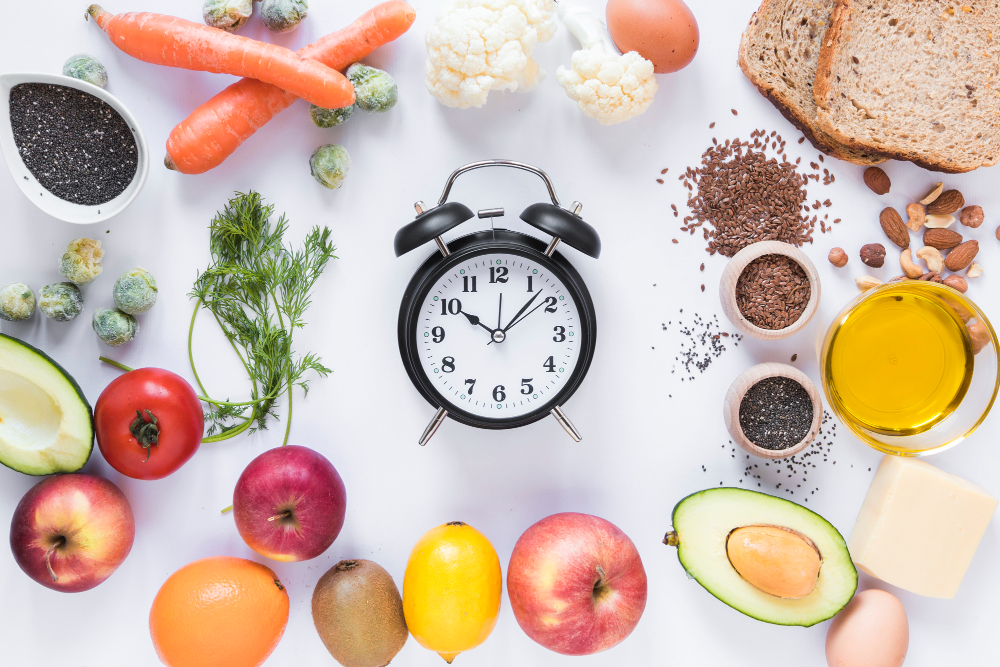
Circadian Eating: How Aligning Meals with Nature’s Clock Boosts Digestion and Hormones
In our modern world of late-night screen time and erratic schedules, we have become profoundly disconnected from the natural rhythms that govern our biology. Both ancient Ayurvedic wisdom and cutting-edge circadian science reveal a powerful secret to optimal health: when you eat is just as important as what you eat. This principle, known as Circadian Eating, involves syncing your meal times with the sun's cycle to harness your body's innate intelligence for superior digestion, balanced hormones, and vibrant energy.
Ayurveda refers to this intelligent rhythm as Kala, the concept of time as a fundamental energetic force. According to this science, our digestive fire, or Agni, does not burn at a constant flame throughout the day and night. Instead, it ebbs and flows in a predictable pattern that mirrors the rising and setting of the sun. Modern circadian biology confirms this, showing that our genes, enzymes, and hormones related to metabolism operate on a 24-hour clock. By aligning our eating habits with this internal chronometer, we work with our body, not against it, unlocking a state of effortless well-being.
The Ayurvedic Clock: Riding the Waves of Agni
The Ayurvedic day is divided into four-hour cycles governed by the doshas—Vata, Pitta, and Kapha. Each period influences the strength of our Agni in a distinct way, providing a clear blueprint for the ideal timing of our meals.
From 6 a.m. to 10 a.m., the qualities of Kapha dominate—earthly, heavy, and slow. During this time, our digestive fire is just beginning to kindle after the night's fast. A heavy breakfast can dampen this delicate flame, much like trying to light a wet log. Instead, this is the perfect window for a light, warm, and easily digestible meal. Think of cooked fruits, a small portion of porridge, or a spiced herbal tea. This supports the body's natural cleansing processes that are active in the morning.
The most critical window for eating is from 10 a.m. to 2 p.m., when the sun is at its peak and the fiery, transformative energy of Pitta takes over. This is when our Agni burns brightest and strongest, akin to the sun high in the sky. Your body is primed to handle its largest and most complex meal of the day. A substantial, nutrient-dense lunch consumed during this Pitta period will be digested thoroughly, efficiently converted into energy and nourishment, and will not lead to the accumulation of toxins, or ama. This is the non-negotiable cornerstone of circadian eating for robust digestion and stable energy levels throughout the afternoon.
As the sun begins its descent from 2 p.m. to 6 p.m., the light, mobile, and dry qualities of Vata increase. Digestive capacity starts to wane. A lighter, earlier dinner is essential. Consuming your final meal well before sunset, or at least by 7 p.m., allows your body to complete the majority of its digestive work before you sleep. When you eat a heavy, late dinner, you force your body to divert energy towards digestion during the night—a time meant for cellular repair, detoxification, and hormonal regulation. This disruption is a primary cause of poor sleep, morning fatigue, and metabolic sludge.
The Hormonal Harmony of Timed Eating
The impact of circadian eating extends far beyond comfortable digestion; it is a master regulator of your endocrine system. Your body's production of insulin, the hormone that ushers glucose into cells, is most efficient during the daylight hours. Eating your largest meal at lunch, when insulin sensitivity is highest, helps maintain stable blood sugar and prevents fat storage. A late-night meal, when the body is naturally insulin-resistant, can lead to weight gain and disrupt other hormonal pathways.
This practice is profoundly supportive for thyroid health. The thyroid gland, which sets your metabolic pace, is intricately linked to the circadian rhythm. Disrupted eating patterns and poor digestion create systemic stress and inflammation, which can impair the conversion of the inactive thyroid hormone (T4) to the active form (T3). By strengthening Agni and reducing the toxic load through proper meal timing, you create a stable foundation for optimal thyroid function.
Furthermore, the overnight fast that naturally occurs with an early dinner is a powerful form of metabolic therapy. This 12-14 hour fasting window, often called "circadian fasting," gives the gut a prolonged rest, reduces inflammation, and triggers cellular cleanup processes like autophagy. It also allows for the proper secretion of melatonin and growth hormone, both of which are crucial for deep sleep, tissue repair, and anti-aging.
A Tanmatra Ayurveda Guide to Implementing Circadian Eating
Transitioning to a circadian rhythm-based diet doesn't have to be abrupt. Start with these foundational steps to gradually align your meals with nature's clock and experience the transformative benefits.
1. Make Lunch Your King: Begin by consciously making your midday meal the largest and most nourishing. Ensure it contains a balance of all six tastes—sweet, sour, salty, bitter, pungent, and astringent—to satisfy the body completely. A well-composed lunch prevents energy crashes and eliminates cravings for unhealthy snacks later in the day.
2. Embrace an Early, Light Dinner: Aim to finish your evening meal by 7 p.m. This meal should be significantly smaller and simpler than lunch. Favor warm, cooked, liquid-based foods like soups, stews, and khichadi. Avoid heavy proteins, excessive fats, and raw salads at night, as they are difficult to digest when Agni is low.
4. Establish a Consistent Routine: The body's clock thrives on consistency. Try to eat your meals at roughly the same times each day. This regularity trains your digestive system to anticipate food, priming it to secrete the right enzymes and acids for optimal breakdown and absorption.
At Tanmatra Ayurveda, we understand that each individual's constitution, or Prakriti, is unique. A one-size-fits-all approach is not the Ayurvedic way. Your specific doshic balance, current state of Agni, and lifestyle demands require a personalized plan to successfully integrate circadian eating.
Are you ready to reset your body's internal clock, transform your digestion, and bring your hormones into perfect balance? Our expert practitioners at Tanmatra Ayurveda will guide you in creating a tailored circadian eating and lifestyle plan that aligns with your unique needs, helping you harness the timeless power of nature's rhythm for lasting health.
Book an online or offline consultation today to begin your journey toward metabolic harmony and vibrant energy.